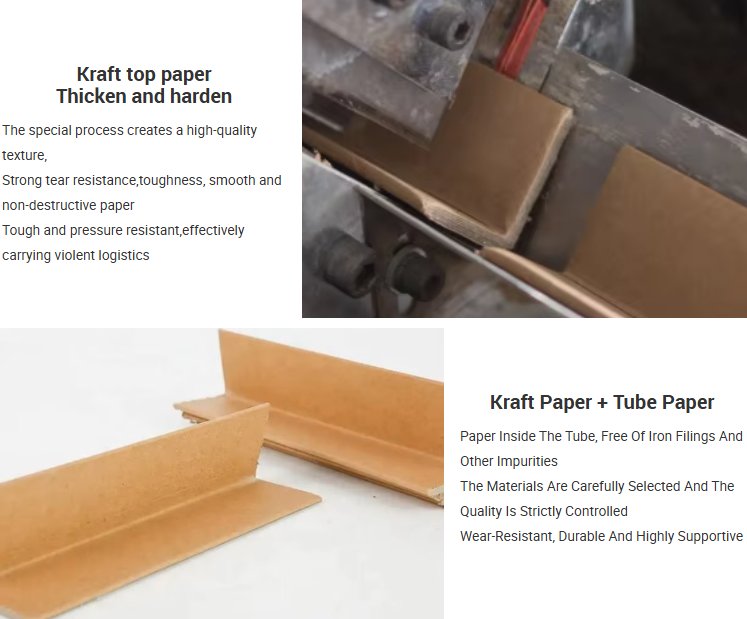
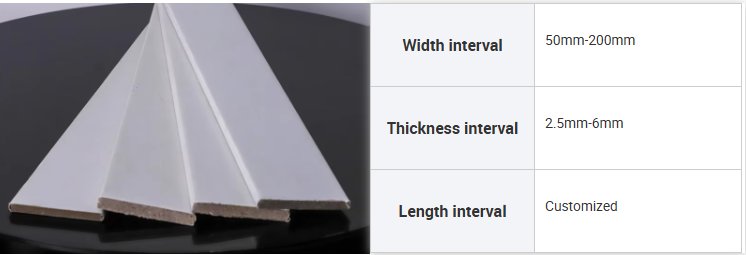
Flat paper edge protection strip is a solid kraft strip with no fold, laid between a pallet layer and the load above it, or along an edge that is already inside a carton. Width 50-200 mm, thickness 2.6-6 mm, any length, cut square. On a pallet it does the job a timber deck board does, minus the weight, the splinters and the fumigation certificate.
What a Flat Strip Does on a Pallet
Three jobs, all of them invisible until they fail. It spreads the load of the layer above, so the cartons underneath are not crushed at the corner where the weight concentrates. It stops a strap cutting into the top layer, because the strap bears on paper instead of on a carton edge. And it separates two layers so that the friction between them does not scuff print or tear a liner when the pallet is cornered on a truck.
Because the strip has no profile, it can be any width the pallet needs. That is the real advantage over an angle board: an L profile is limited by its leg, while a flat strip can span 200 mm and spread the load across the whole deck, at 2.6 mm thick and a fraction of the cost of a timber board.
Flat strip, layer pad and slip sheet
Buyers use the three terms loosely and they are not identical. A flat paper edge protection strip is a narrow band, usually 50-200 mm wide, placed where the load or the strap concentrates. A layer pad covers the full pallet footprint. A slip sheet sits under the load so a clamp truck can grip it. This product is the first one - the strip - but the same board in a wider cut becomes a pad, which is why the width range goes up to 200 mm.
Flat Paper Edge Protection Strip Specifications
| Profile | Flat solid paperboard strip, no fold |
| Material | Kraft paper, roll paper, eco-friendly glue |
| Width | 50-200 mm, customizable |
| Thickness | 2.6-6 mm, customizable |
| Length | Any length, cut square to order |
| Cut | Square cut, die cut to shape on request |
| Colour and print | White or kraft brown, logo and text printable |
| MOQ | 3,000 meters |
| Daily output | 200,000 meters |
| Lead time | Shipment within 7 days of deposit |
| OEM and ODM | Available, including width, print and packing |
Width and Thickness by Application
Pallet deck strips that sit under a strap are usually 100-150 mm wide and 4-6 mm thick, because they carry both the strap tension and the layer above. Strips that only separate two layers run 50-100 mm and 2.6-3 mm. Glass and mirror sheets need 150-200 mm width so the point load is spread across the face, and furniture panels take 100-150 mm at 3-4 mm where the strip meets the banding.
Length is normally the pallet dimension plus 20-40 mm, so the strip protrudes slightly and the packer can see it is centred before the film goes on. Where strips are cut per pallet at the line, order the exact pallet length rather than a standard cut - the offcut saving is larger than the cutting charge on any volume order.
Where Flat Strips Fit
- Pallet deck boards and layer separators - replaces timber boards and the ISPM 15 stamp that comes with them
- Carton edge protection - a protective band where the strap crosses a carton, instead of a formed profile
- Glass and mirror panels - wide strips between sheets and along the crate edge
- Furniture panels - face protection between stacked boards and under banding
- Metal sheet and plate - stops surface scratching and strap marking
- Building and stone materials - sacrificial band on slab edges that chip rather than crush
Why Not a Timber Deck Board?
A 20 mm pine board and a 6 mm paper strip do different jobs, but on an export pallet the paper strip usually wins on three counts. It needs no heat treatment or stamp, so it never holds up a shipment at the border. It weighs a fraction of the timber, which matters when the freight is charged by weight. And it disposes with the cartons at the far end, so the receiver is not left with wood to get rid of.
Where timber still wins is structural: a deck that has to carry a tonne across a span. For everything up to cartons, panels and drums, a flat paper strip at the right width is enough.
Printing, Cutting and Packing
Printing runs in one or two colours on white or kraft base - brand, pallet number, a handling icon or a QR code that opens the packing list. Because the surface is flat and continuous, print registration is better than on any formed profile, and a printed strip is often the cheapest branded element on a pallet.
Strips ship in bundles or palletized cartons, banded and wrapped, normally within 7 days of deposit. Die cut shapes, notches and rounded ends are available on the same run as the width.
Frequently Asked Questions
Q: What is a flat paper edge protection strip?
A: It is a solid kraft paperboard strip with no fold, used on pallets and inside cartons to spread load, separate layers and stop straps cutting into the product.
Q: How wide should the strip be for a pallet?
A: 100-150 mm at 4-6 mm thick under a strap, 50-100 mm at 2.6-3 mm for simple layer separation, and 150-200 mm for glass and stone where point load matters.
Q: Does it replace a timber deck board?
A: For cartons, panels and drums, yes. For a structural deck carrying a tonne across a span, timber is still the right answer.
Q: Is it exempt from ISPM 15?
A: Yes. It contains no wood, so no heat treatment, stamp or fumigation is required for export.
Q: Is it recyclable?
A: Yes, kraft paper with eco-friendly glue and no film, so it recycles with the cartons on the pallet.
Q: Can it be printed?
A: Yes, one or two colours on white or kraft base, with good registration because the surface is flat.
Q: Can you cut it to my pallet length?
A: Yes, any length to the millimetre, and cutting to the exact pallet dimension usually beats a standard cut on volume orders.
Q: What is the MOQ?
A: 3,000 meters, with shipment within 7 days of deposit for standard specifications.
Request a Flat Strip Quote
Send the width, thickness, cut length, quantity in meters and whether the strip needs printing or die cutting. We return the price, the packing plan and the delivery date. Email mona@hengnicepacking.com with the subject line flat paper edge protection strip plus your pallet size.